Wednesday, 29 June 2016

The Rusty Back Fern


The Rusty Back is a fairly rare species of fern. This example, photographed in the Peak District, seems to be thriving. It has been fenced off to protect it from grazing sheep.   


Friday, 24 June 2016

The Monsal Trail tunnels


The railway tunnels on the Monsal Trail, built in the 1860s, had remained locked and closed to the public ever since the railway closed in the late 1960s. These were Headstone Tunnel, Cressbrook Tunnel, Litton Tunnel and Chee Tor Tunnel.


Occasional trips through the tunnels were organised by Peak Park staff,
when hard hats and torches were essential. .

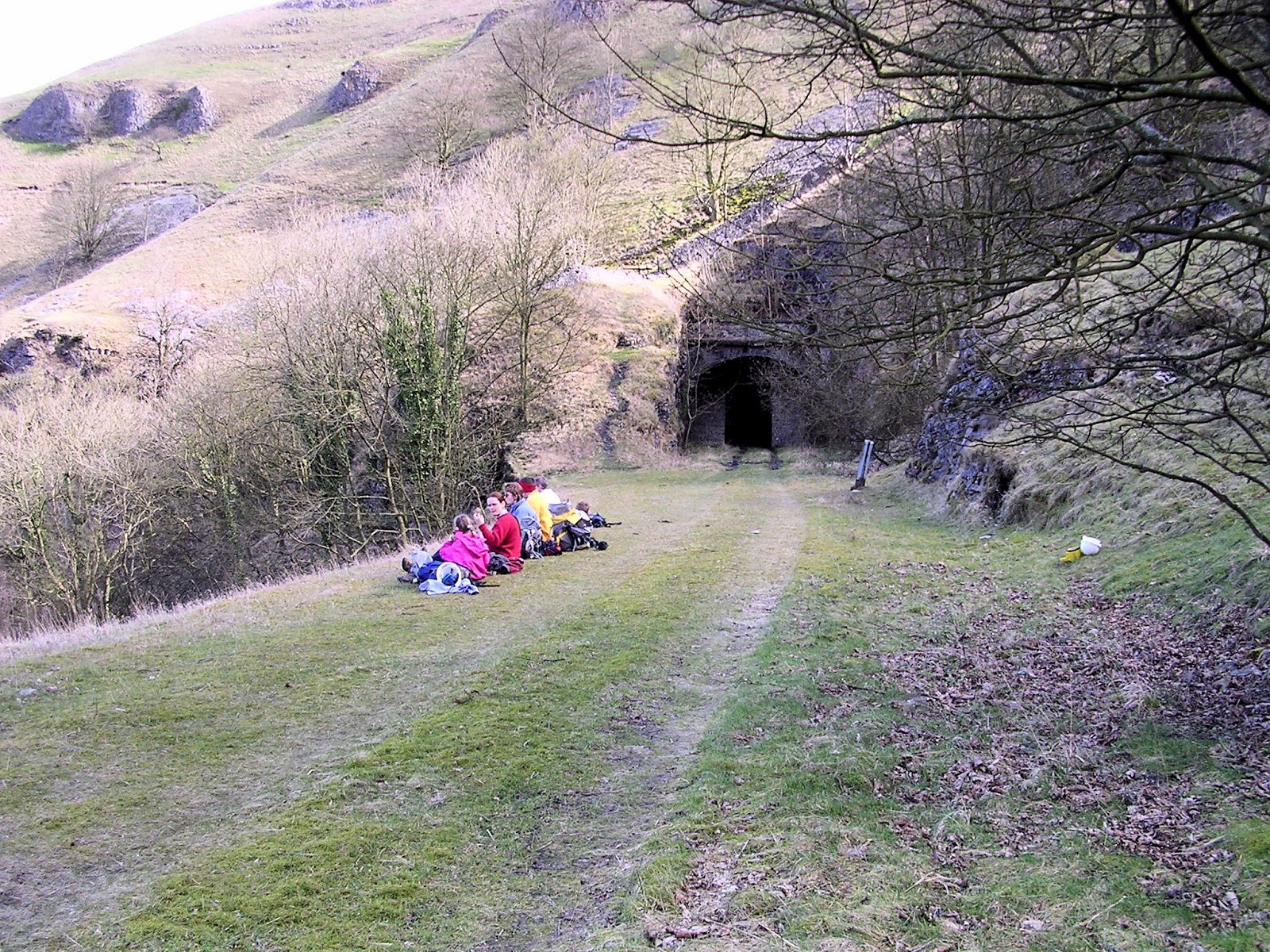
On one such trip lunch is taken between Cressbrook and Litton tunnels. A spot which was most difficult to reach other than by passing through the tunnels.


The tunnels were opened to the public in 2011 after the installation of lighting and improvements to the trail surface.
Chee Tor tunnel in 2011 soon after it was opened to the public.


Monday, 20 June 2016

Friday, 17 June 2016

Headstone viaduct


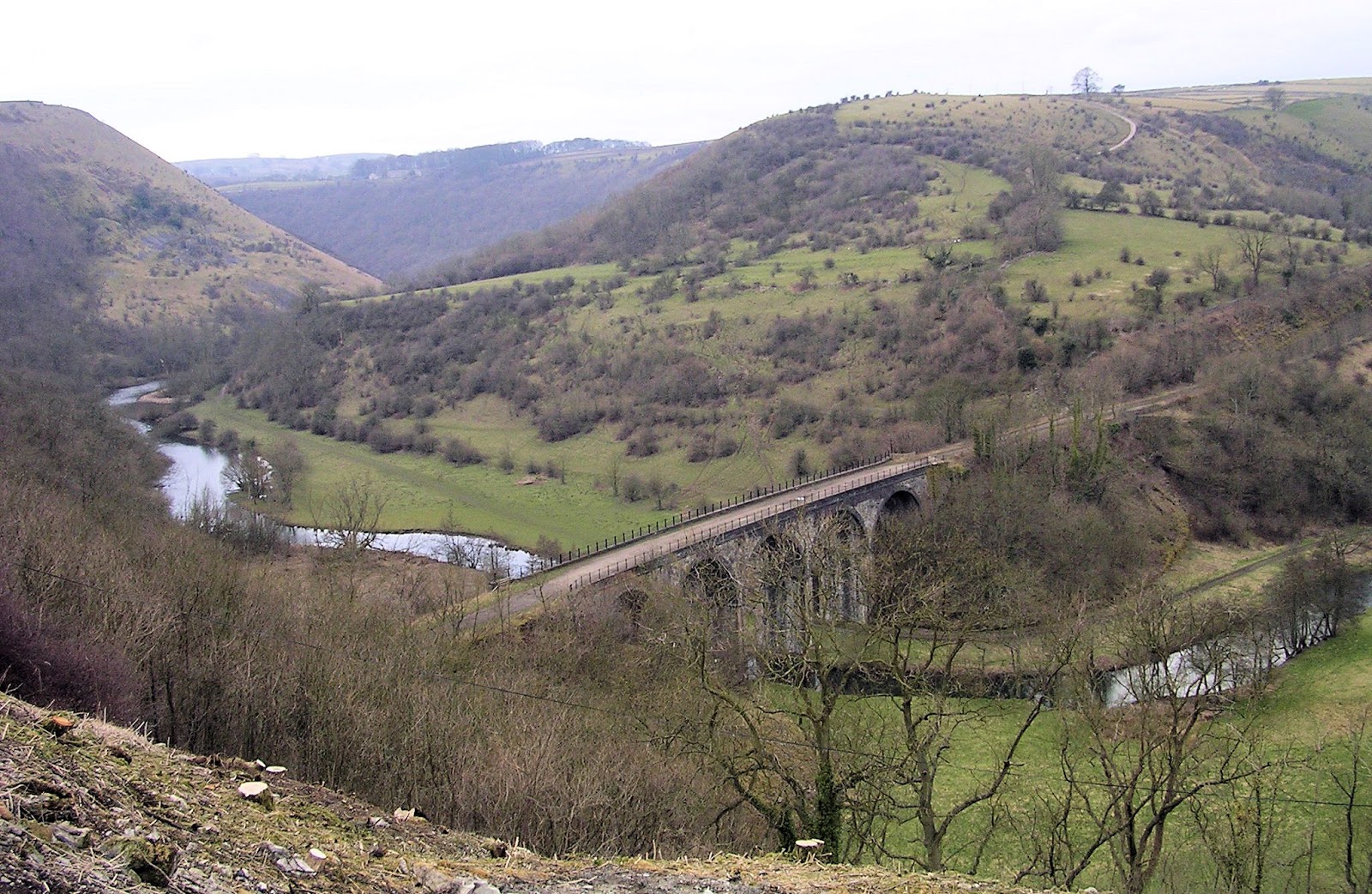
Headstone viaduct, built in 1863 to carry the Midland Railway over the River Wye in Monsal Dale.


The viaduct is considered a thing of beauty now, has a preservation order on it, and is one of the icons of the Peak District National Park.


However, when it was first built it was considered a disaster by the writer John Ruskin.
He wrote,
"There was a rocky valley between Buxton and Bakewell, once upon a time, divine as the Vale of Tempe. You Enterprised a Railroad through the valley – you blasted its rocks away, heaped thousands of tons of shale into its lovely stream. The valley is gone, and the Gods with it; and now, every fool in Buxton can be in Bakewell in half an hour, and every fool in Bakewell at Buxton; which you think a lucrative process of exchange – you Fools everywhere”.

Headstone viaduct under construction in the 1860s


In 1968 the rails were still in situ
Headstone viaduct is also referred to as Monsal Dale viaduct.


Sunday, 12 June 2016

Padley Chapel


The 15th Century Chapel is all that is left of Padley Manor near Grindleford. The remains of the manor are behind the chapel.

The chapel is best known for the story of the 'Padley Martyrs'; two priests Nicholas Garlick and Robert Ludham,  who were arrested here in July 1588, and subsequently executed for high treason. Their crime was simply being ordained Catholic priests.

The Manor was owned by John Fitzherbert. He was a catholic, and as such refused to accept Elizabeth I as head of the church. The two priests were only visiting him, and were unfortunate enough to be there when the house was raided by the authorities, who were probably checking up on Fitzherbert.
The chapel is still the subject of a pilgrimage which takes place each July to honour the martyrs.


Friday, 10 June 2016